Our programs

Meeting the whole person with practical hope.

Our seven program areas respond to the spiritual, emotional and physical realities facing children, youth and families in Gulu.

01

Foundation of our work

Discipleship
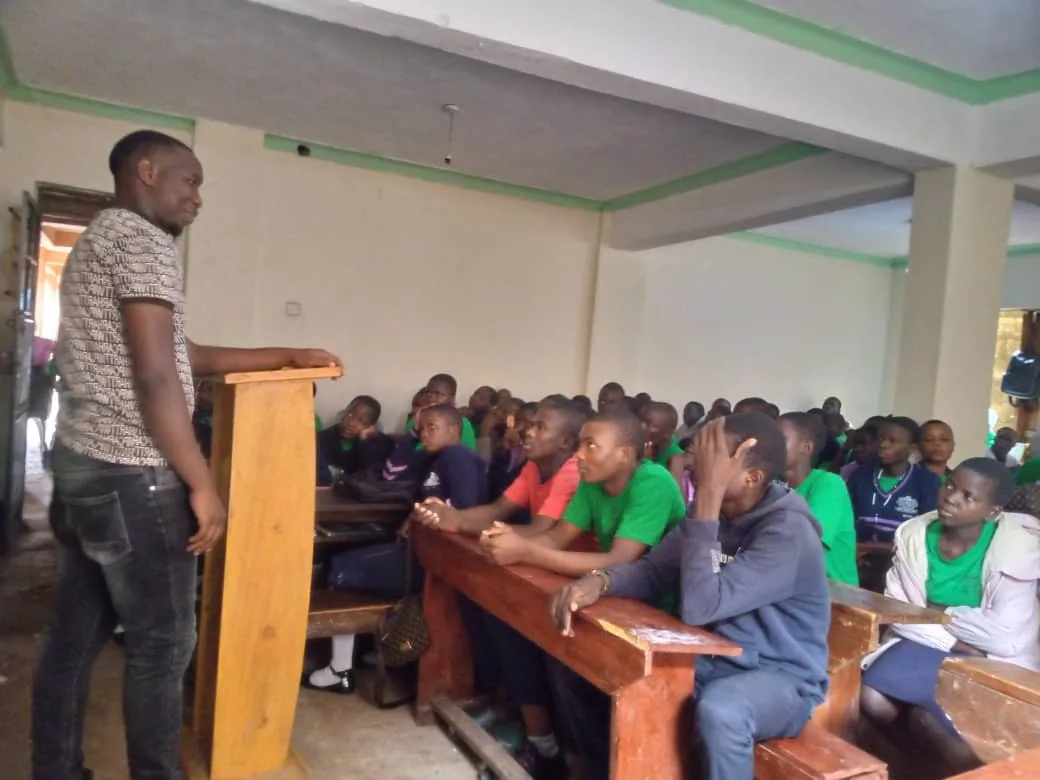
Facilitator leading a discipleship session with students

Discipleship is the foundation of our work because the war left a deep spiritual and identity crisis in communities. Many young people in Gulu are growing up without consistent guidance and are asking: “Who am I? Does my life matter? Does God see me?”

Hopelessness, drug abuse, crime and early sexual activity have become common ways of coping with pain. There is a great need to point young people back to God, help them understand their identity in Christ and raise a generation rooted in faith, purpose and values that can transform their communities.

Activities includeDiscipleship sessions, Christian mentorship, prayer and faith-centred conversations.
02

Healing and belonging

Psychosocial support

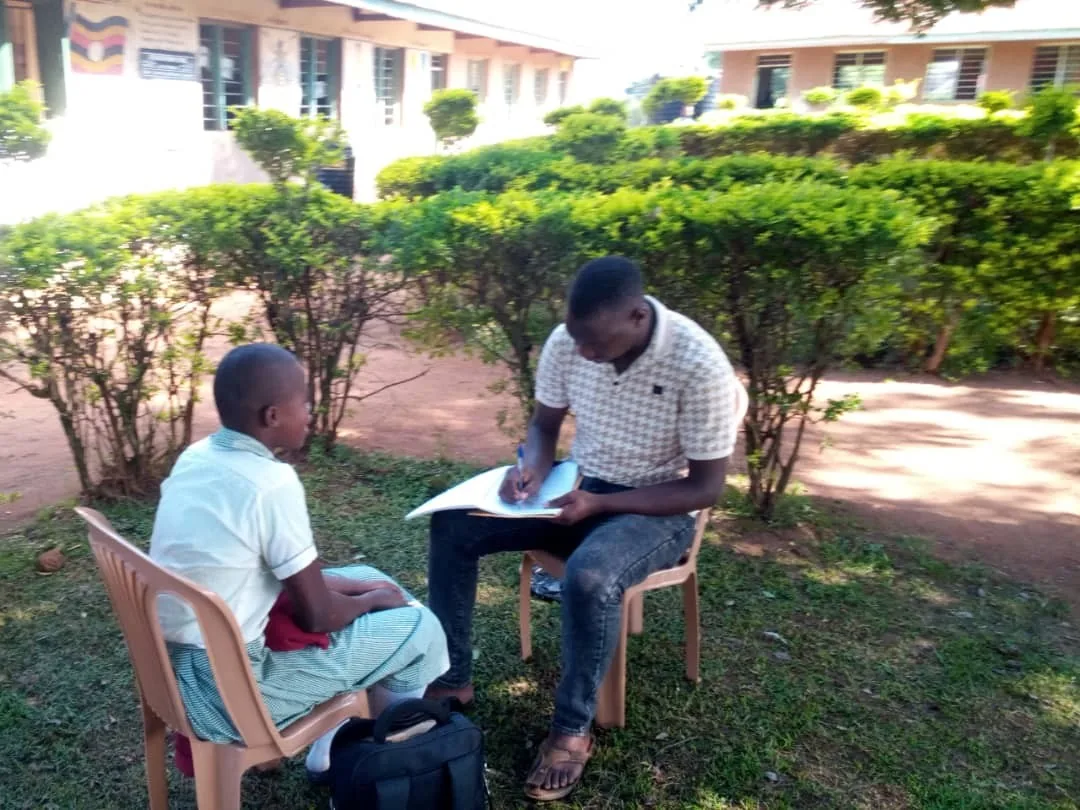
One-to-one support session with a young person

Years of displacement, the loss of parents and caregivers and continued poverty have left many children and youth living with trauma, anxiety and depression. According to UNICEF figures provided by the organization, more than 40% of children in post-conflict Northern Uganda show signs of psychosocial distress, while fewer than 10% access counselling.

Through counselling, peer support groups and mentorship, we create safe spaces where children and youth can process pain, build healthy relationships and find healing.

Activities include
  • Trauma-healing workshops
  • Life-skills training
  • Home visits and follow-up
  • Recreational and healing activities
  • Counselling, peer groups and mentorship
03

Nourishment and care

Nutrition support

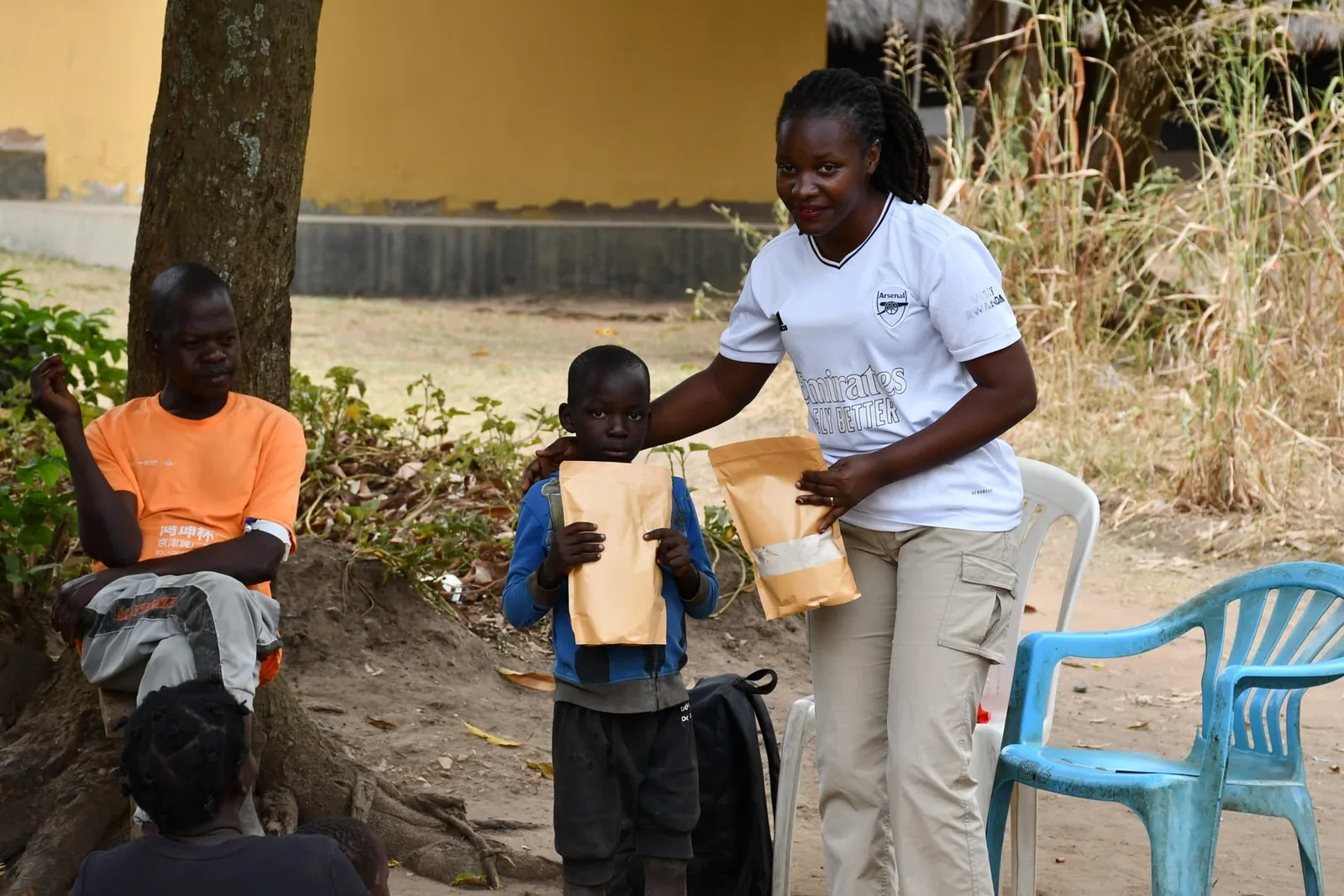
Child receiving nutritious porridge flour

Malnutrition remains a serious concern in Gulu. The war damaged farming systems and food security, and recovery has been slow. UBOS 2022 figures provided by the organization report that 27.4% of children under five in Northern Uganda are stunted and 6.8% are wasted.

Many households still depend on small gardens with poor yields. Some children have only one meal a day, while others may go for days without a meal. This uncertainty is especially common among orphans and children living with single mothers who have no reliable safety net.

Activities include
  • Drawing meal plans for children
  • Linkage to appropriate care
  • Nutrition-status assessment
  • Training on balanced diets and use of available resources
  • Nutritious porridge and practical food support
04

Opportunity through learning

Education

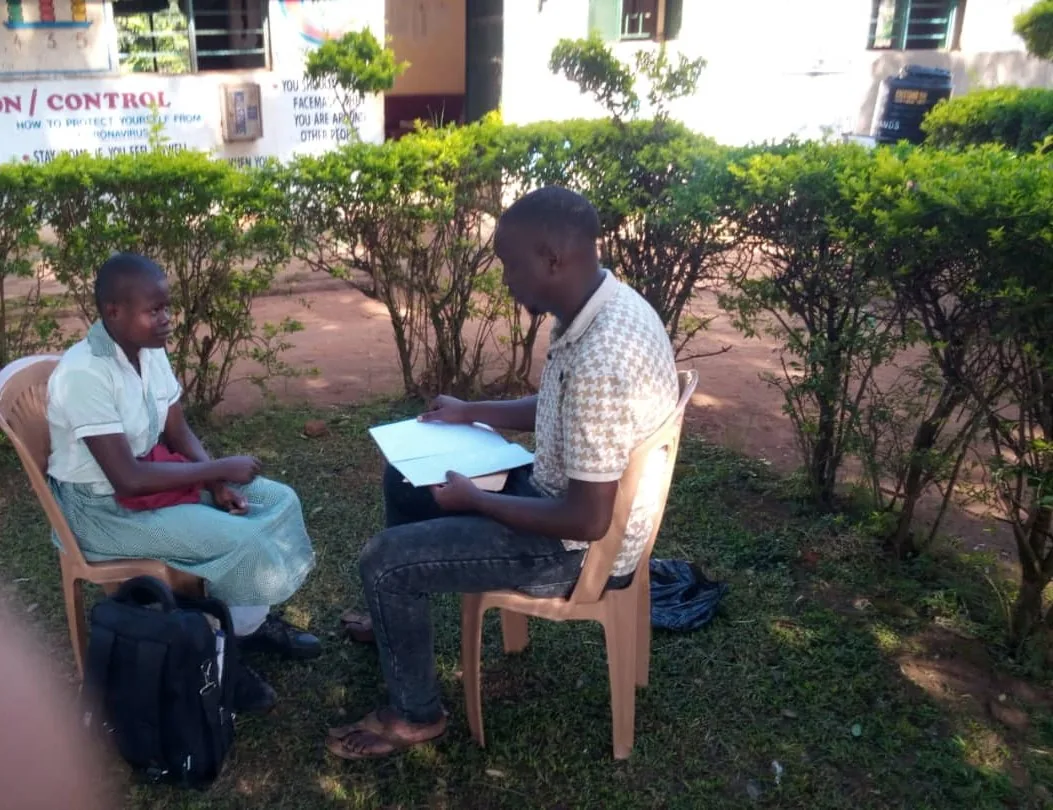
School follow-up session with a sponsored child

Education was one of the greatest casualties of the war. Schools closed and a generation lost years of learning. The effects continue today. UBOS figures provided by the organization report a primary school completion rate of 52% in Northern Uganda, compared with a national average of 68%.

Many children still leave school because their families cannot afford fees or learning materials. Teenage pregnancy also contributes to school dropout, with Northern Uganda recording a reported rate of 22%. Overcrowded classrooms and limited support at home leave children from child-headed and single-mother households especially vulnerable to falling behind.

We work to provide quality, accessible education through sponsorship, learning support and direct engagement with schools.

Activities includeSchool outreach, sponsorship, learning materials and encouragement for children at risk of dropping out.
05

Care closer to families

Health

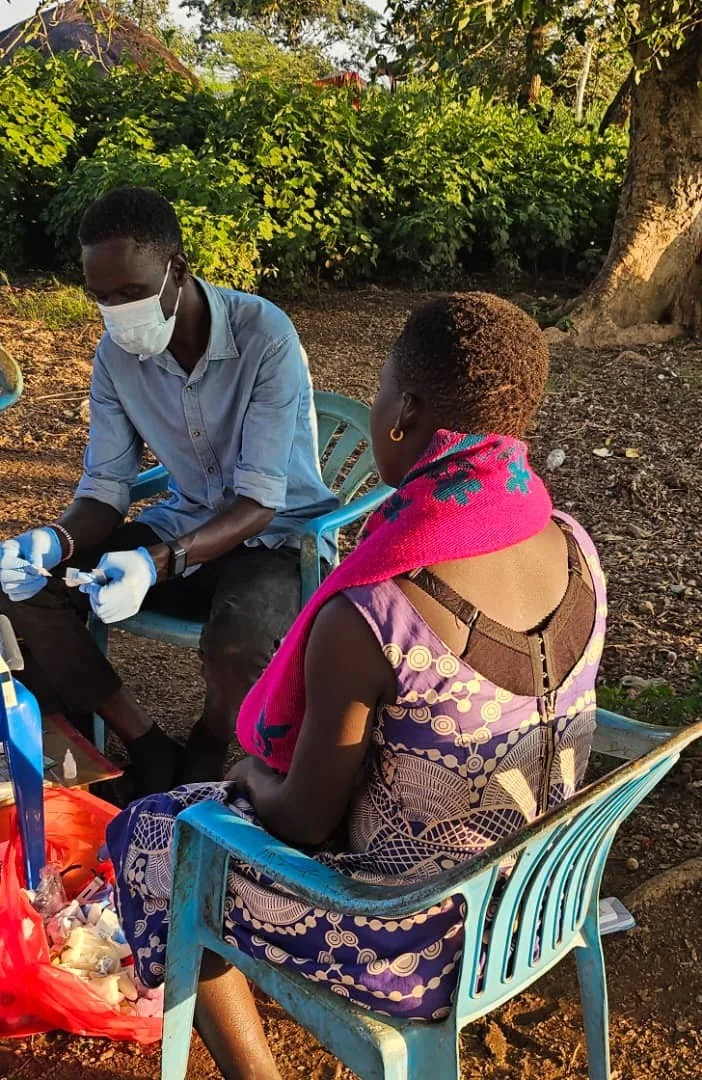
Community health screening in progress

Access to healthcare remains a major gap. Health centres can be far away, understaffed and without enough medicine. Through health outreaches, medical camps and connections to appropriate medical care, we bring services closer to families who cannot afford transport or treatment.

Malaria reportedly accounts for more than 40% of outpatient visits in Gulu and remains a leading cause of child deaths. HIV is also a concern. Figures provided by the organization place HIV prevalence in Northern Uganda at 7.2%, compared with a national average of 5.4%. Children living in poverty, outside school or without parents are especially vulnerable because they may lack information, protection and support.

Activities includeCommunity screening, health talks, medical outreach and referrals to appropriate care.
06

Maintain a Girl in School

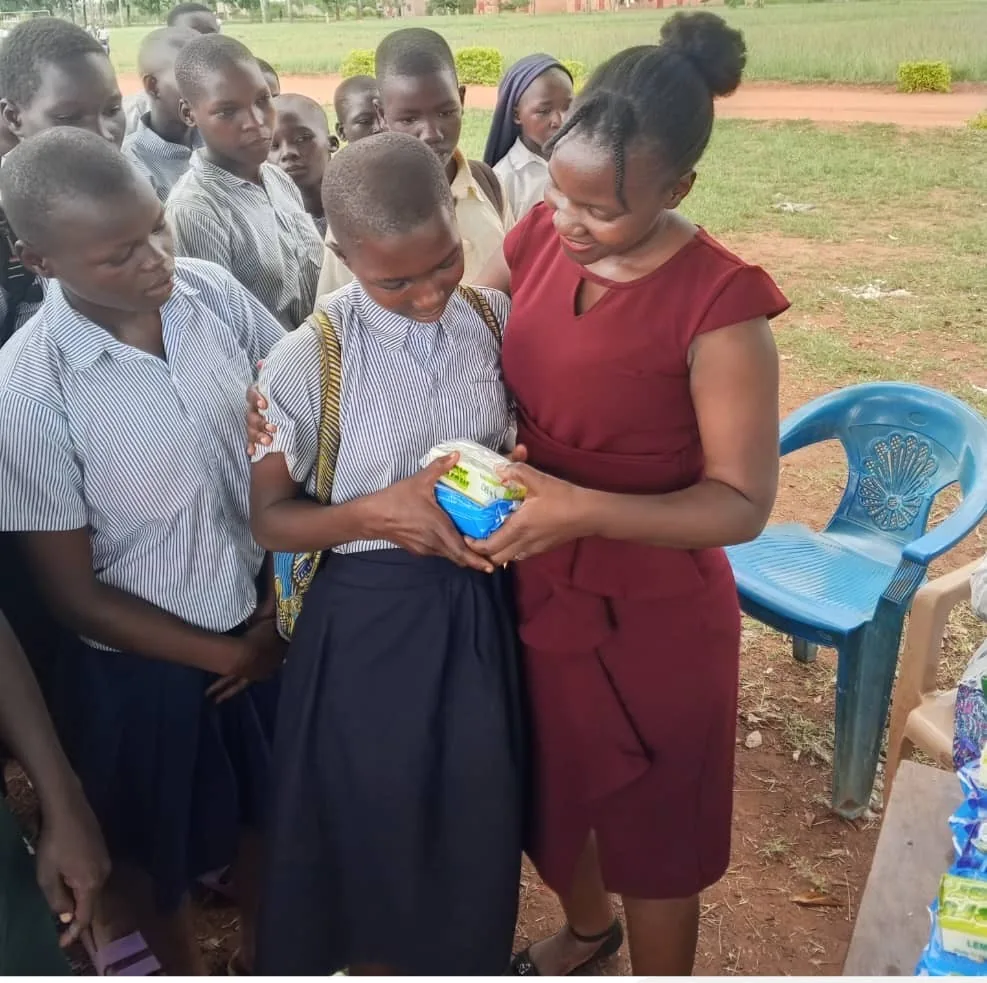
Sanitary kit distribution

Schoolgirl receiving sanitary pads and soap

Period poverty creates another barrier to education. An estimated one in four girls in Uganda misses three to five school days each month because she cannot afford sanitary pads, and the challenge is even greater in communities affected by poverty in Northern Uganda.

Some girls eventually leave school completely. Single mothers may also struggle to provide menstrual health supplies for their daughters. Through our Maintain a Girl in School initiative, we distribute sanitary kits to restore dignity, protect health and help girls continue learning.

Activities includeSanitary kit distribution, menstrual health education and school-based support.

See the work

Explore the activities behind our programs.

Visit Our Work